
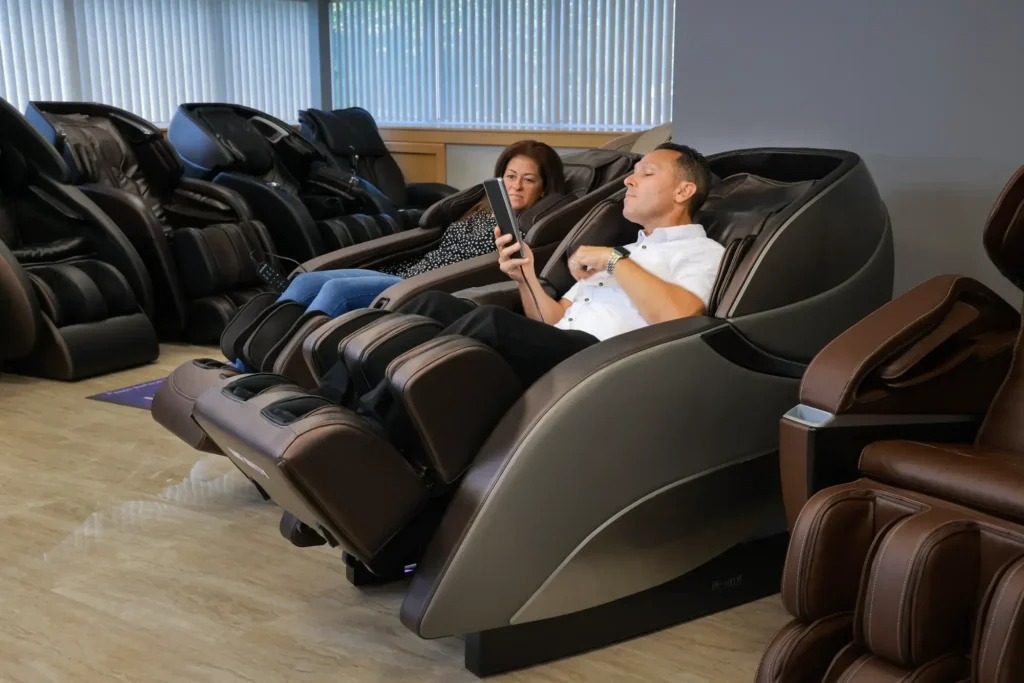
Lower back fatigue is a common complaint among individuals who spend long hours sitting, standing, or engaging in physically demanding activities. This discomfort can stem from muscle strain, poor posture, or inadequate support to the lumbar region. As people seek effective ways to alleviate this persistent issue, massage chairs have gained popularity as a potential solution. These devices are designed to mimic the techniques of professional massage therapists and offer targeted relief for various parts of the body, including the lower back.
Massage chairs operate by using rollers, airbags, and vibration mechanisms to apply pressure and stimulate muscles. When it comes to lower back fatigue, these functions can help increase blood circulation in the affected area. Improved circulation promotes oxygen delivery and nutrient exchange within muscle tissues, which aids in reducing soreness and accelerating recovery. Additionally, gentle kneading and tapping motions provided by massage chairs can relax tight muscles that often contribute to stiffness and discomfort.
One significant benefit of using a massage chair reviews for lower back fatigue is its ability to encourage relaxation without requiring active effort from the user. Unlike manual massages that need scheduling appointments or visiting spas, having a massage chair at home offers convenience and accessibility anytime relief is needed. This ease of use makes it easier for individuals with busy lifestyles or limited mobility to incorporate regular sessions into their routine.
Moreover, many modern massage chairs come equipped with adjustable settings tailored specifically for targeting lower back areas. Users can customize intensity levels based on personal comfort preferences while focusing on particular zones where fatigue is most pronounced. Some advanced models even feature heat therapy options that further soothe aching muscles by promoting warmth alongside mechanical stimulation.
While massage chairs provide numerous advantages for managing lower back fatigue symptoms effectively, it is essential to recognize they are not a cure-all solution. Persistent or severe pain should be evaluated by healthcare professionals as underlying medical conditions might require different interventions such as physical therapy or medication.
In conclusion, massage chairs can serve as an excellent complementary tool for alleviating lower back fatigue through improved blood flow and muscle relaxation techniques delivered conveniently at home. By integrating their use into daily self-care practices alongside proper posture maintenance and regular exercise routines targeting core strength enhancement, individuals may experience notable improvements in comfort levels over time. However, consulting with healthcare providers remains crucial when addressing chronic issues related to lower back health ensuring comprehensive care beyond temporary relief measures offered by mechanical massages alone.
